 EN
EN


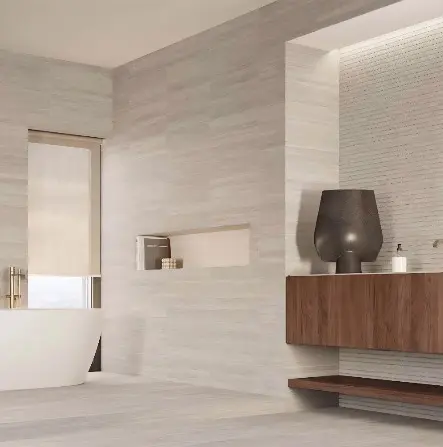
We learn that the beauty of natural rocks such as travertine is an investment at Xiamen Wanshi. We take pride in quality, whether it is how we choose our quarry or even how we finish it so that you have it in the right shape. Nevertheless, to keep its beauty and maintain it several decades, it is necessary to seal it properly. Travertine is a porous calcareous rock and is prone to staining, etching and wear. This reference provides a professional method of sealing travertine, which is resistant to daily wear and tear.
Knowledge of the Sealing Importance.
Sealing does not render travertine bulletproof; it is simply a protective barrier. Its main purpose is that it greatly retards the rate at which liquids and oils are absorbed, and this gives you precious time to clean up the spills before they become permanent spots. Since travertine has natural pits and cavities, unsealed stone may take in water, wine or oils readily and result in deep and dark stains. An excellent sealer serves to protect the surface dirt and minor abrasions also, which would then allow, with an easier and more successful routine cleaning, to extend the quality appearance of the stone.
Sealing Travertine Step-by-Step Guide.
It depends on appropriate preparation and use to make a sealing project successful.
Cleaning & Preparation: This is the most vital step. The stone should be in perfect condition being clean, dry and without old wax or grease of any kind. Clean all the dirt and grime with the help of a pH-neutral stone cleaner and a soft brush or mop. In the case of very dirty places, a purposely designed stone poultice can be required. When using travertine, it must be allowed to dry at least 24-48 hours and make sure that there is no moisture in the deep parts of the stone.
Selection of the Sealer: Select a sealer that is suitable with travertine. It has two different main types, those which penetrate through the stone (penetrating sealers) and those which form a layer on the surface (topical sealers). In the majority of interior uses such as flooring and countertops, a penetrating or impregnating sealer of high quality is advised. It has a safeguarding effect that does not affect the natural appearance and feel of the stone. In case of outdoor or high-traffic, a stone expert should be consulted on the most appropriate product.
Application: The sealer should be applied on a well-ventilated area with a low-nap roller, soft cloth, or sprayer applied in small manageable sections. Avoid concentrating or over-applying. The time the sealer takes to penetrate should be as per the time as indicated by the manufacturer (usually 10-20 minutes), and the excess is then carefully buffed away using a clean, dry cloth. This eliminates the production of a hazy film.
Curing & Second Coat: Allow first coat to dry completely according to the product instructions, normally 24 hours. The second coat is usually recommended to provide complete protection to the surfaces especially those used frequently. Use it in a direction that cuts across the direction of the first coat so that it can be evenly applied.
Maintenance After Sealing
The solution is not one-time: by closing down. The durability of a seal is determined by the traffic, use and the sealer. In general, travertine surfaces should be resealed once after every 1 to 3 years. To test: sprinkle a little water on the surface. The seal is still valid provided that it beads up. When it makes the stone black in a short time and it is absorbed, then it needs to be resealed. To clean regularly, apply only cleaners that are pH-neutral and are aimed at cleaning natural stone, which should be wiped off as fast as possible.
These are the steps to take as a professional in order to protect your travertine investment. Our Quality Monitor system at Xiamen Wanshi provides a 5-point monitor of travertine, which is of superior consistency and finish to present a perfect canvas to your effective sealing and a lifetime of beauty. Guard your rock and it will beautify your place even to the generations to come.