
news

The Silent Shift: Why Natural Stone and Silica-Free Surfaces Are Redefining the Industry in 2026

natural marble countertop and quartz contertop

I. Introduction: A Paradigm Shift in the Stone Industry

As we navigate through 2026, the global stone industry is undergoing its most significant transformation in decades. For years, engineered stone—commonly known as quartz—has been the darling of the interior design world, celebrated for its uniformity, cost-effectiveness, and wide range of color options. However, a “silent” but powerful shift is occurring. Driven by mounting regulatory pressures, a growing epidemic of occupational health concerns, and a fundamental change in architectural aesthetics, the industry is moving away from traditional, high-silica engineered surfaces.
This transition is not merely a reaction to legislation; it is a holistic evolution toward materials that are safer for fabricators, more sustainable for the environment, and aesthetically superior for the modern home. In this analysis, we will explore the drivers behind the “Safety-First” movement and how fabricators, designers, and suppliers are adapting to a new era where natural beauty meets modern compliance.
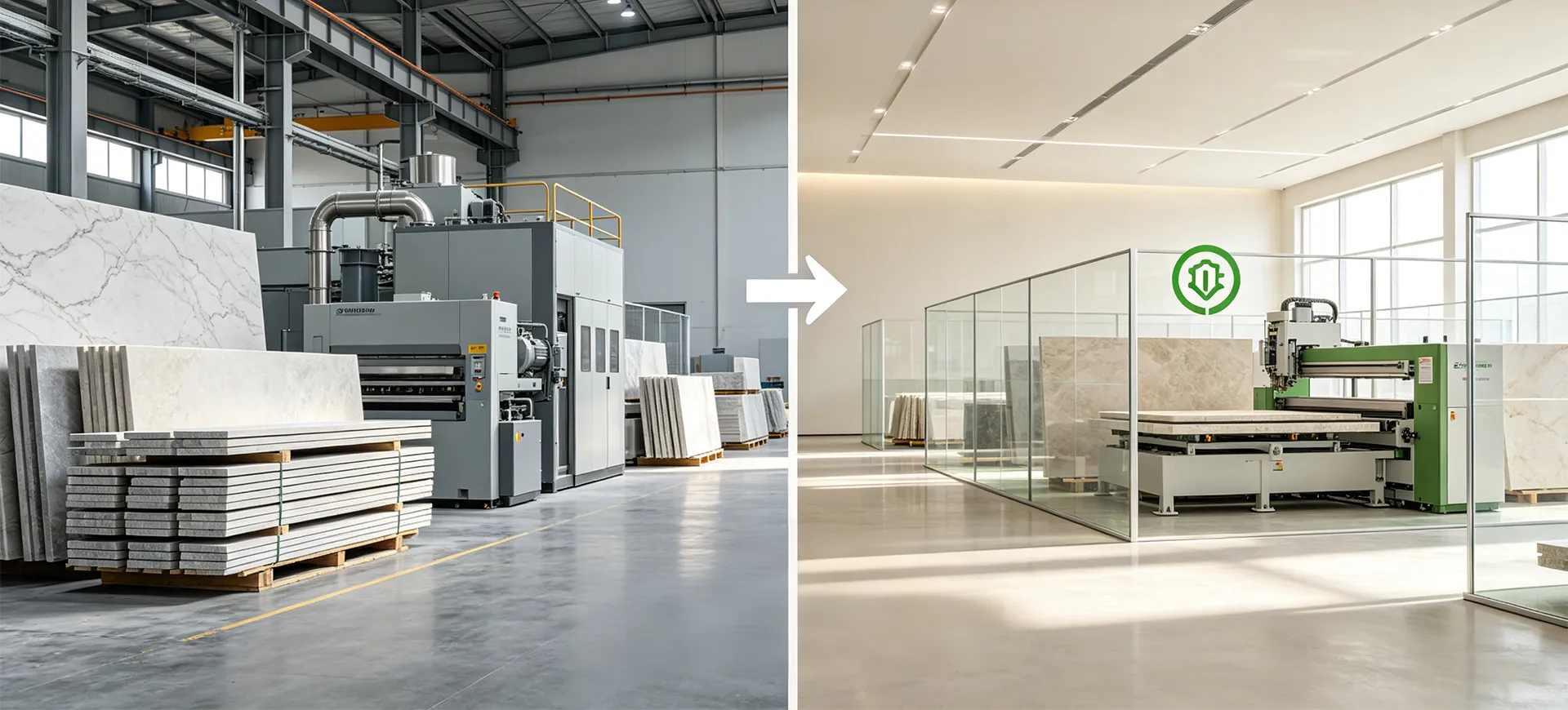
Introduction A Paradigm Shift in the Stone Industry

II. The Crisis: The Hidden Cost of Crystalline Silica

To understand the current market shift, one must first confront the crisis that has fundamentally altered the industry’s trajectory. The issue centers on crystalline silica, a naturally occurring mineral that is present in many stone materials but is found in dangerously high concentrations (often 90% or more) in traditional engineered stone.
When quartz slabs are cut, ground, or polished, they release fine, respirable crystalline silica dust. Inhaling this dust can lead to silicosis, an incurable, progressive, and fatal lung disease. Recent investigative reporting and occupational health studies, particularly in North America and Australia, have highlighted an alarming spike in silicosis cases among stone fabricators.
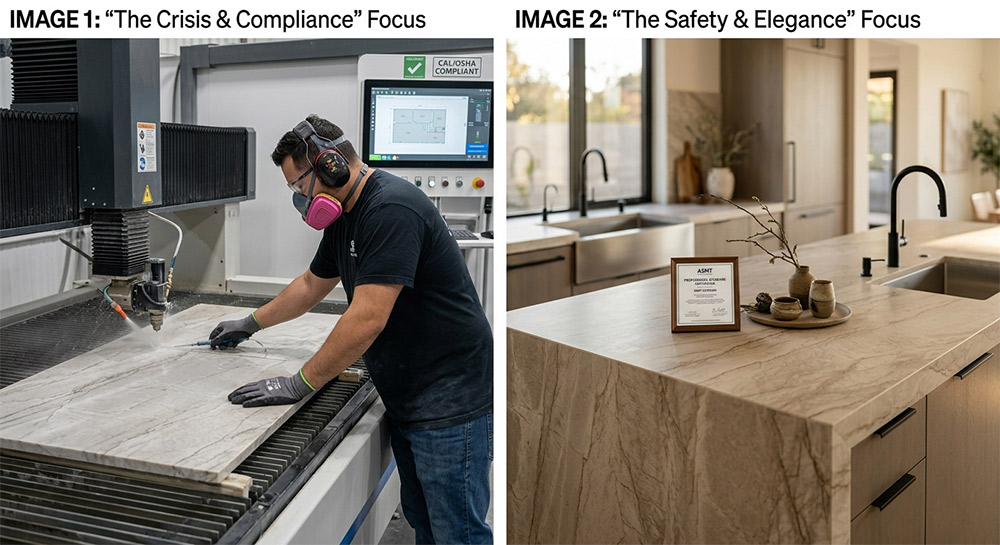
In May 2026, regulatory bodies in California and across various European nations have intensified their crackdowns, imposing strict guidelines on how stone must be processed. For fabricators, the cost of compliance has skyrocketed. Upgrading to advanced water-jet technology, installing industrial-grade HEPA ventilation systems, and mandating rigorous PPE protocols are now non-negotiable expenses. Consequently, many businesses are asking a simple question: Is the “traditional quartz” model still viable?
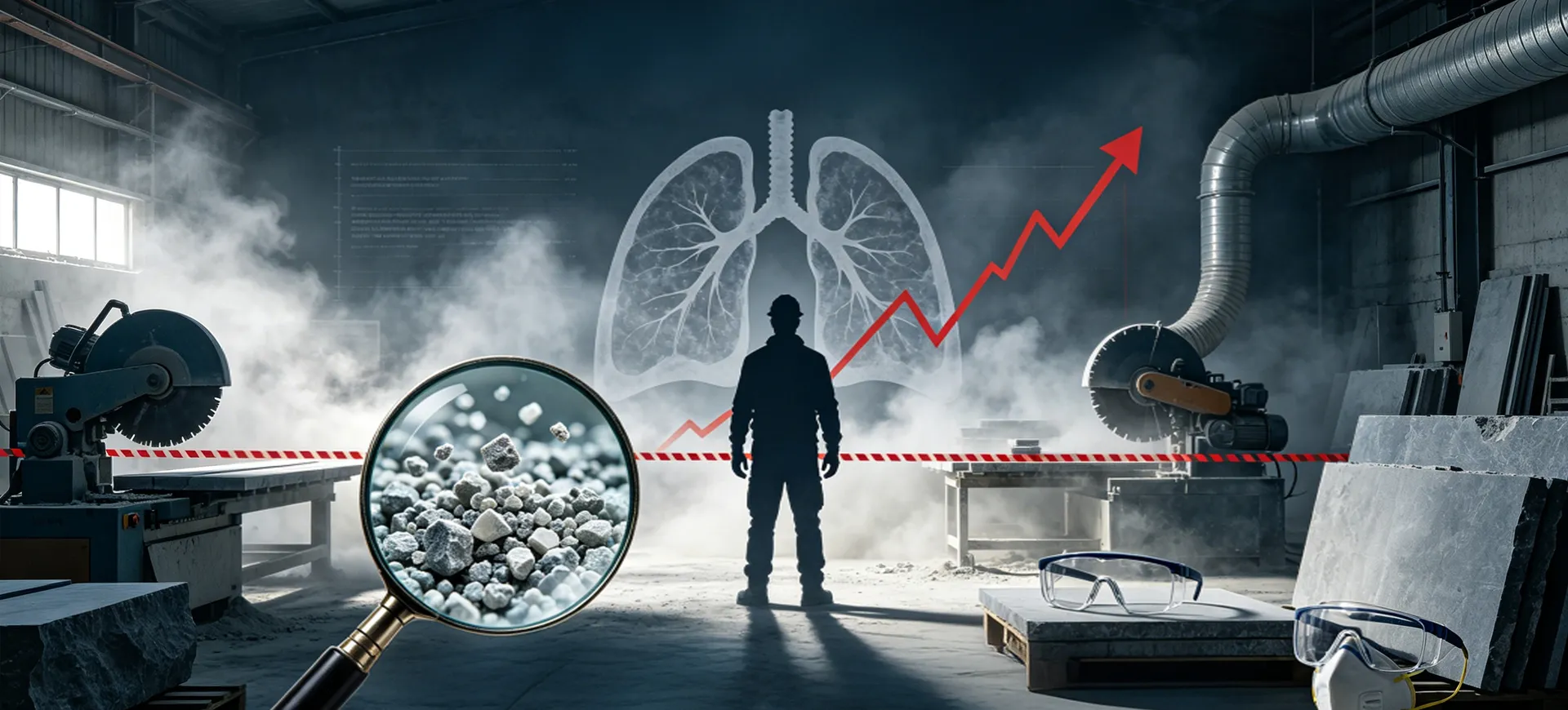
The Crisis The Hidden Cost of Crystalline Silica

III. The Rise of Silica-Free Engineered Surfaces: A Technological Breakthrough

While natural stone is the primary beneficiary of this shift, the engineered stone industry has not been sitting idle. The most exciting development of 2026 is the rapid innovation in Crystalline Silica-Free (CSF) mineral surfaces.
These surfaces represent a technological triumph. Leading manufacturers have developed proprietary formulas that swap crystalline silica for a blend of recycled glass, feldspar, and specialized minerals. These CSF surfaces offer:
1.Performance Parity: Through advanced polymer bonding and vacuum-vibration pressing, CSF slabs achieve the same hardness, stain resistance, and scratch resistance as traditional quartz.
2.Health Integrity: By eliminating the hazardous crystalline component, these slabs allow fabricators to work with the confidence that they are providing a safer environment for their teams
3.Sustainability:The use of recycled glass not only lowers the silica profile but also aligns with the circular economy, reducing the carbon footprint of the manufacturing process.
For clients who love the “uniformity” of engineered stone but are frightened by the health risks, these silica-free options provide a perfect middle ground—offering the modern look they desire without the regulatory and health liability.
The Rise of Silica Free Engineered Surfaces A Technological Breakthrough1
 

IV. Natural Stone: The Timeless, Inherent Advantage

While CSF engineered stone is a technological marvel, there is no substitute for the authentic, lived-in elegance of natural stone. As minimalism gives way to “maximalism” and “lived-in luxury” in 2026, natural stone—such as marble, granite, and quartzite—has reclaimed its throne as the pinnacle of interior design.

The Science of Safety

Natural stone is inherently different from its engineered counterpart. Marble, for example, is primarily composed of calcium carbonate and typically contains less than 5% silica. Granite, while containing more silica, does not present the same nanoscale dust hazards as the resin-bonded silica dust generated by engineered stones. By choosing natural materials, fabricators and designers automatically lower the baseline risk of their projects.

The Aesthetics of Authenticity

Beyond the safety metrics, the market demand has shifted toward “tactile beauty.” Homeowners are moving away from the “sterile” look of high-gloss, factory-perfect surfaces. In 2026, the trend is toward textured finishes:
Honed Surfaces: Offering a soft, matte look that feels velvety to the touch.
Leathered Finishes: Providing a subtle, rugged texture that masks fingerprints and adds a sense of warmth to kitchens.
Statement Veining: The “art-in-stone” movement, characterized by dramatic, bookmatched Calacatta or Patagonia quartzite, turns every countertop and wall into a unique masterpiece.
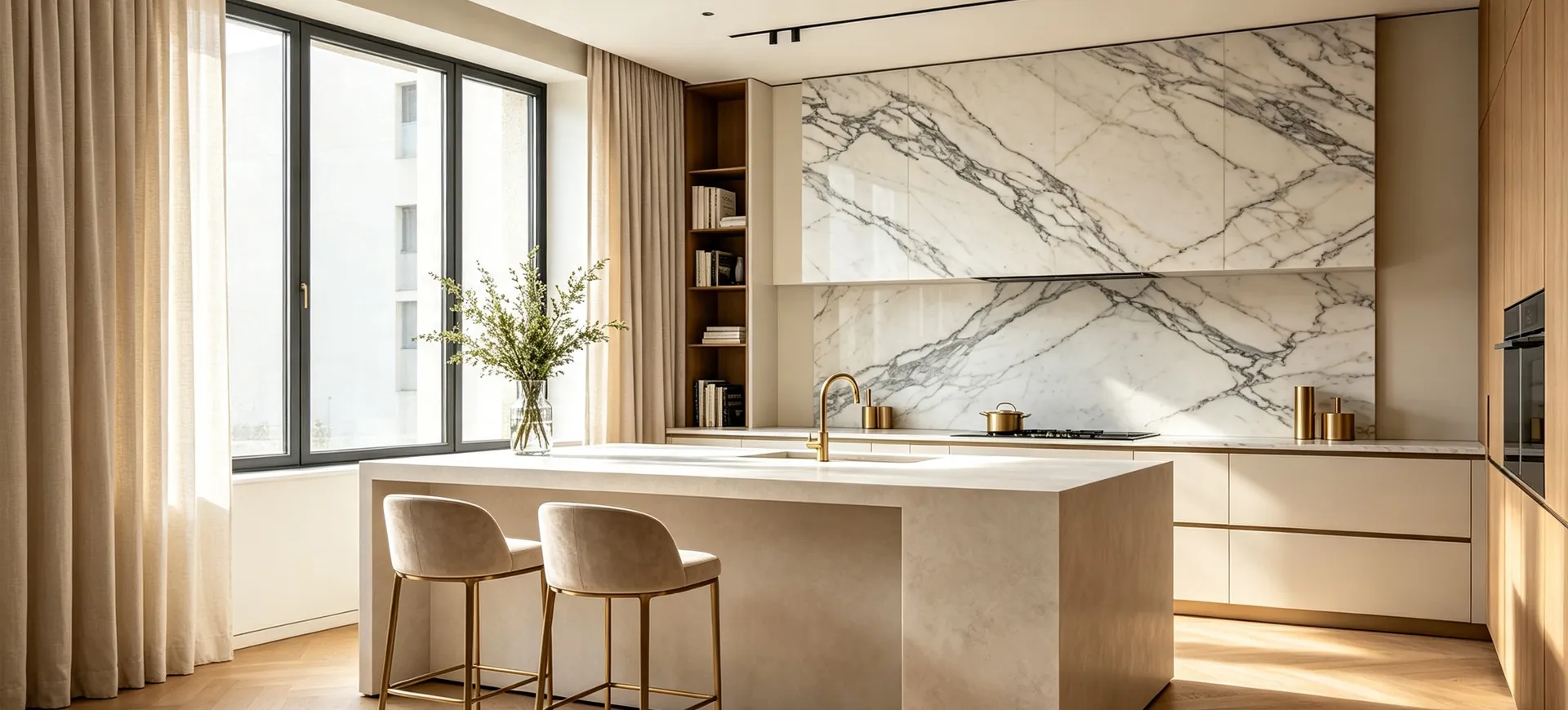
Natural1

V. The Fabricator’s Strategic Adaptation

The transition toward safer materials is an opportunity for forward-thinking fabricators to redefine their value proposition. The most successful shops in 2026 are those that have rebranded themselves as “Safety-First Specialists.”

1. Digital Templating and Dry-Lay Expertise

The best way to manage silica exposure is to avoid it entirely in the installation phase. By utilizing high-definition digital templating and providing clients with “dry-lay” (pre-installation layout) videos, fabricators can ensure that every piece is cut to perfection in a controlled factory environment. This eliminates the need for on-site “adjustments” that create hazardous dust in a client’s home.

2. Radical Transparency

Being a modern fabricator means providing documentation. Supplying clients with ASTM test reports, silica content disclosures, and environmental certifications (such as UL Greenguard or NSF food-safe ratings) is no longer an “extra”—it is the standard. Clients are increasingly willing to pay a premium for materials that come with a “Safety Passport.”

3. Material Curation

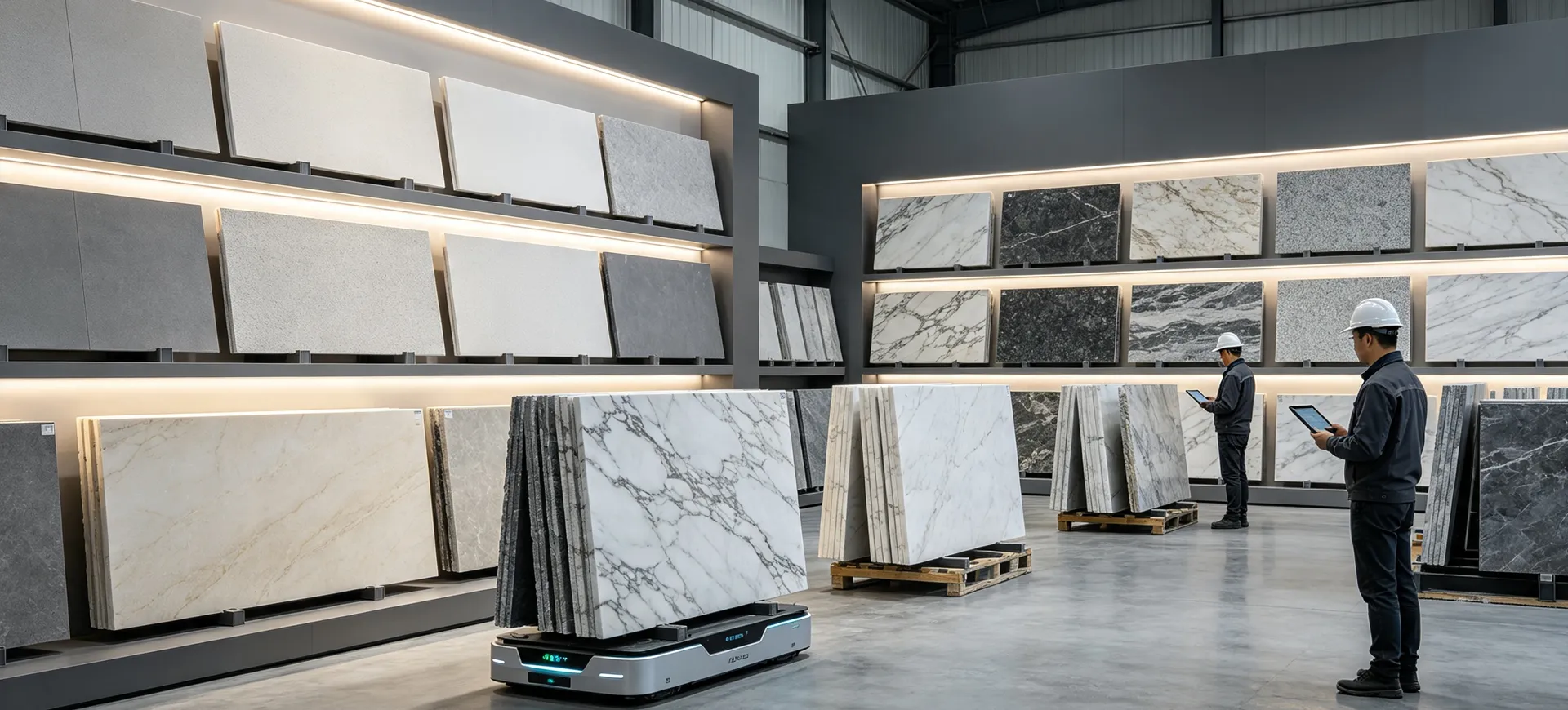
Fabricators must curate their inventory based on a tiered safety approach. By offering both Zero-Silica Mineral Surfaces (for those needing specific colors and modern uniformity) and Premium Natural Stones (for those wanting exclusivity and natural beauty), fabricators can cater to the entire spectrum of the market.
The Fabricator s Strategic Adaptation

VI. Conclusion: Building the Future

The shift we are seeing in 2026 is not a temporary trend; it is a permanent restructuring of the stone industry. The convergence of worker health regulations, a preference for natural aesthetics, and the birth of silica-free manufacturing technology has created a new standard for what it means to be a “high-end surface.”
For the fabricator, the architect, and the homeowner, the message is clear: We no longer have to choose between beauty and safety. By embracing natural stone and the new wave of silica-free mineral surfaces, we are building spaces that are healthier, more sustainable, and undeniably more beautiful.
As you look toward your next project, ask yourself:“Are my materials not only designed to look good but also designed to endure the highest standards of safety and sustainability?” The answer to that question will define the success of your project in this new, enlightened era of stone design.
taj mahal quanrtzite countertop
Share This Post:

SEARCH

TABLE OF CONTENTS

Table of Contents

    CATEGORIES

    Related News

    The Art of the Edge: A Comprehensive Guide to Countertop and Vanity Customization

    FAQ

    Q: Can custom fabrication follow our drawings?

    A:Yes. Production is based on approved drawings, dimensions, tolerances, and project specifications rather than standard sizes.

    A:When suitable slab sequences are available, bookmatched layouts and dry lay approval can be arranged before fabrication.
    A:Yes. Multi-material projects can be organized according to approved material schedules and installation requirements.
    A:Inspection begins with slab selection and continues throughout fabrication, dry lay, packing, and container loading.


    A:Approved drawings, stone selection, dimensions, thickness, finish, edge details, quantities, and project schedule should all be confirmed before manufacturing begins.

    - product list -

    related products

    Roma Classico Travertine
    Roma Classico Travertine
    Roma Classico Travertine is a Travertine selected for warm beige, cream, and light vein-cut or cross-cut...
    Rainbow Impression Quartzite
    Rainbow Impression Quartzite
    Rainbow Impression Quartzite is a Natural Quartzite selected for multi-color movement with warm and cool...
    Rosso Valentino Marble1.1
    Rosso Valentino Marble
    Rosso Valentino Marble is a Marble selected for red, burgundy, pink, and white movement. Its visual character...
    Sea pearl quartzite
    Sea Pearl Quartzite
    Sea Pearl Quartzite is a Natural Quartzite selected for white, pearl grey, and soft natural movement....

    - welcome to consult -

    get in touch

    Email us with any questions or inquiries or use our contact data.

    We would be happy to answer your questions.

    case banner